There’s something deeply satisfying about picking up your hook on a Saturday morning and setting down a finished project by Sunday evening. These 13 small crochet projects are sized and paced for exactly that: a full weekend of unhurried making, the kind that ends with something real in your hands and that particular quiet contentment that only comes from creating.
1. Cozy Mug Cozy
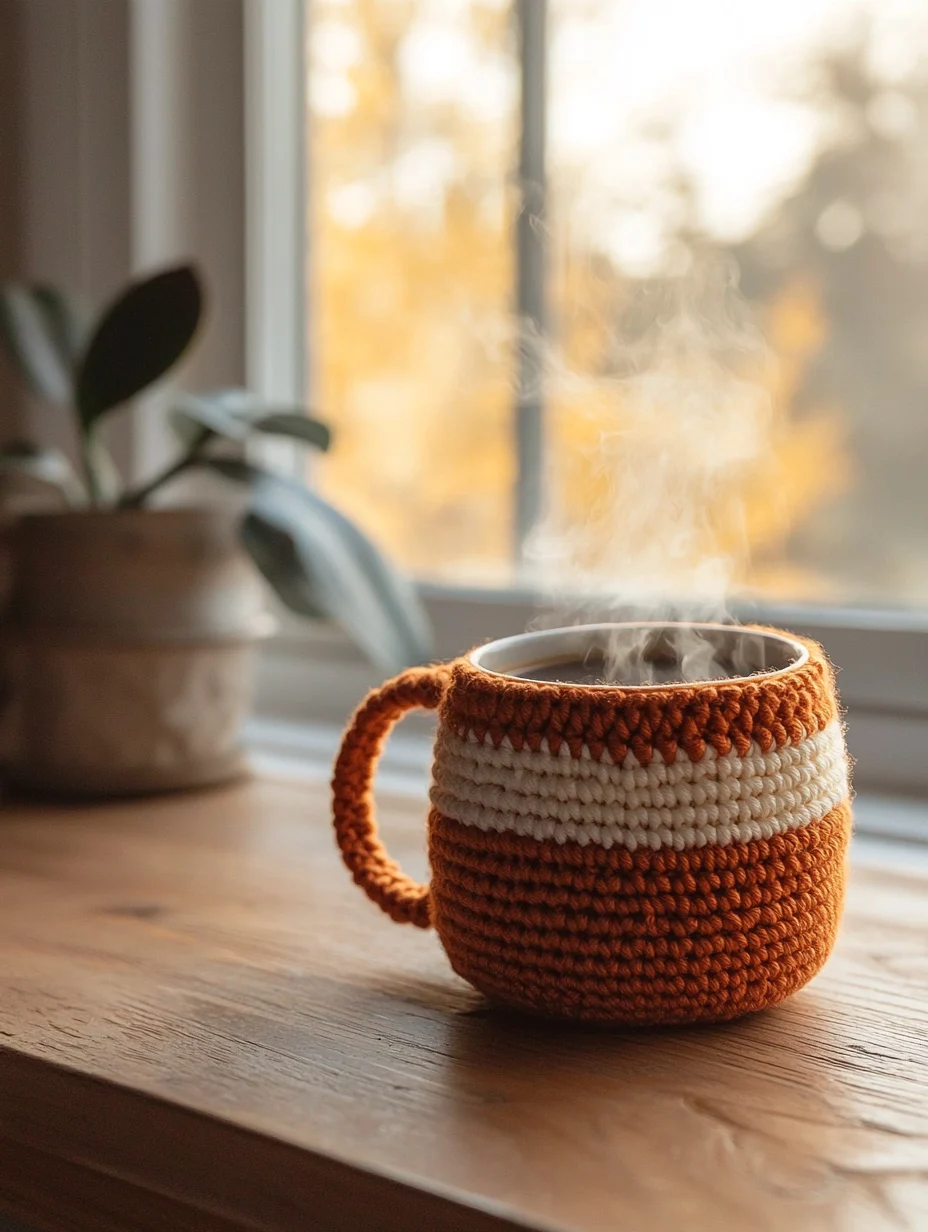
A crocheted mug cozy is the most satisfying small project because it gets used the very moment it’s finished: you slip it around your morning coffee cup and that’s it, it has already earned its place. The construction is a simple rectangle worked in rows of half double crochet, measured to wrap your favorite mug, with a button loop on one end and a button sewn to the other. The texture of the stitch holds warmth beautifully, and the project is forgiving enough that you can carry it to a cozy chair, forget where you were, and pick it back up with no real damage done. Make one in the colors of autumn: burnt orange, cream, soft brown: and every cup of tea feels like a small ceremony.
Yarn: Worsted weight cotton or wool blend
Hook: 5.0mm (H)
Time: 1 hour
Skill level: Beginner
Best for: A first weekend project that delivers immediate everyday use
2. Simple Dishcloth Set
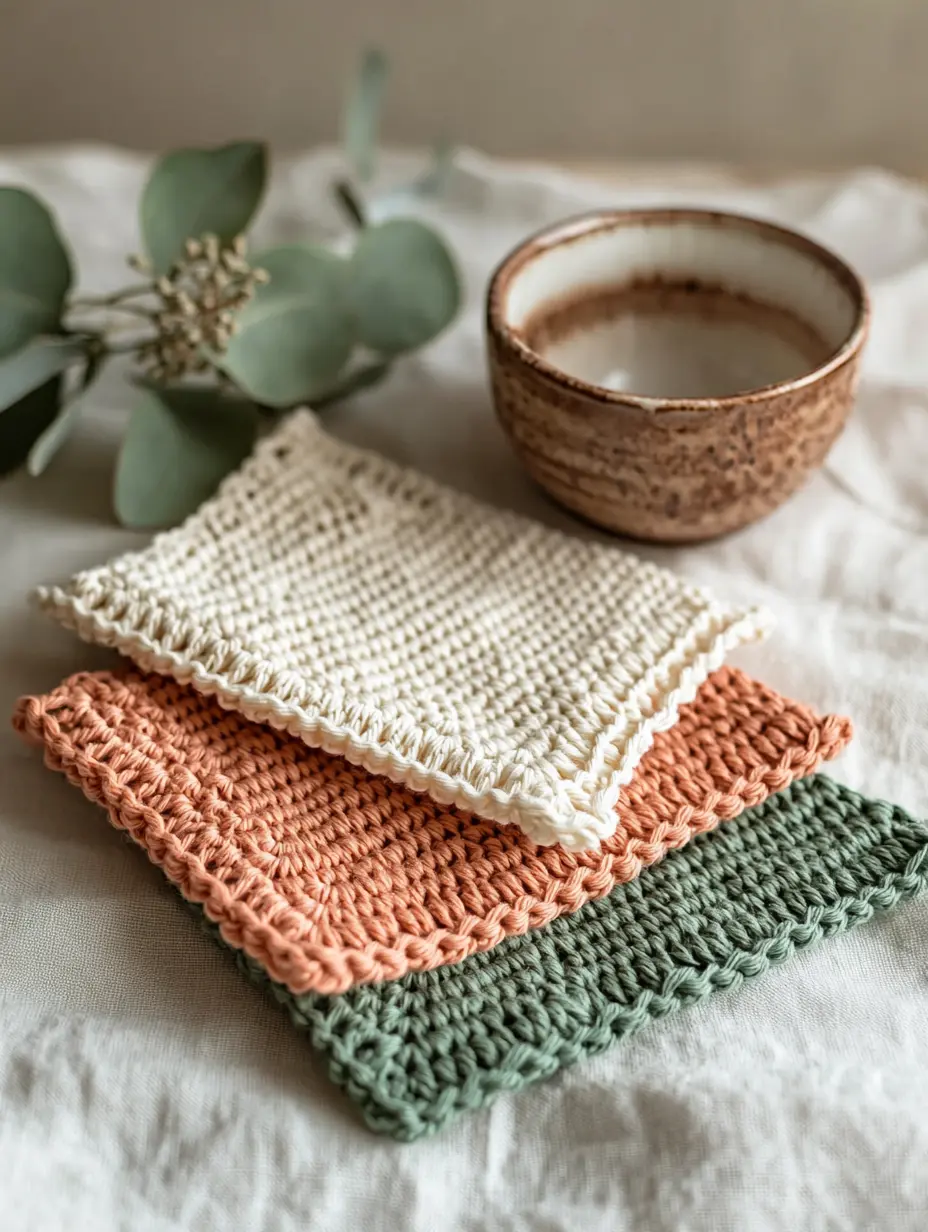
A set of three crocheted dishcloths worked in a gentle textured stitch is the kind of thing that transforms a functional kitchen object into something you feel fond of. The moss stitch: alternating single crochet and chain stitches: gives the surface a subtle woven look and creates just enough texture to make it genuinely useful for scrubbing. Work each cloth in a different soft color from the same palette: dusty sage, warm cream, and faded terracotta make a set that looks like it came from a farmhouse shop. 100% cotton is essential here for absorbency and durability. Each cloth takes about two hours, so a set of three fits comfortably inside a Saturday afternoon with time left for tea.
Yarn: Worsted weight 100% cotton in 3 coordinating colors
Hook: 5.0mm (H)
Time: 2 hours each, 6 hours for a set
Skill level: Beginner
Best for: Building stitch variety while making something genuinely useful
3. Fingerless Gloves
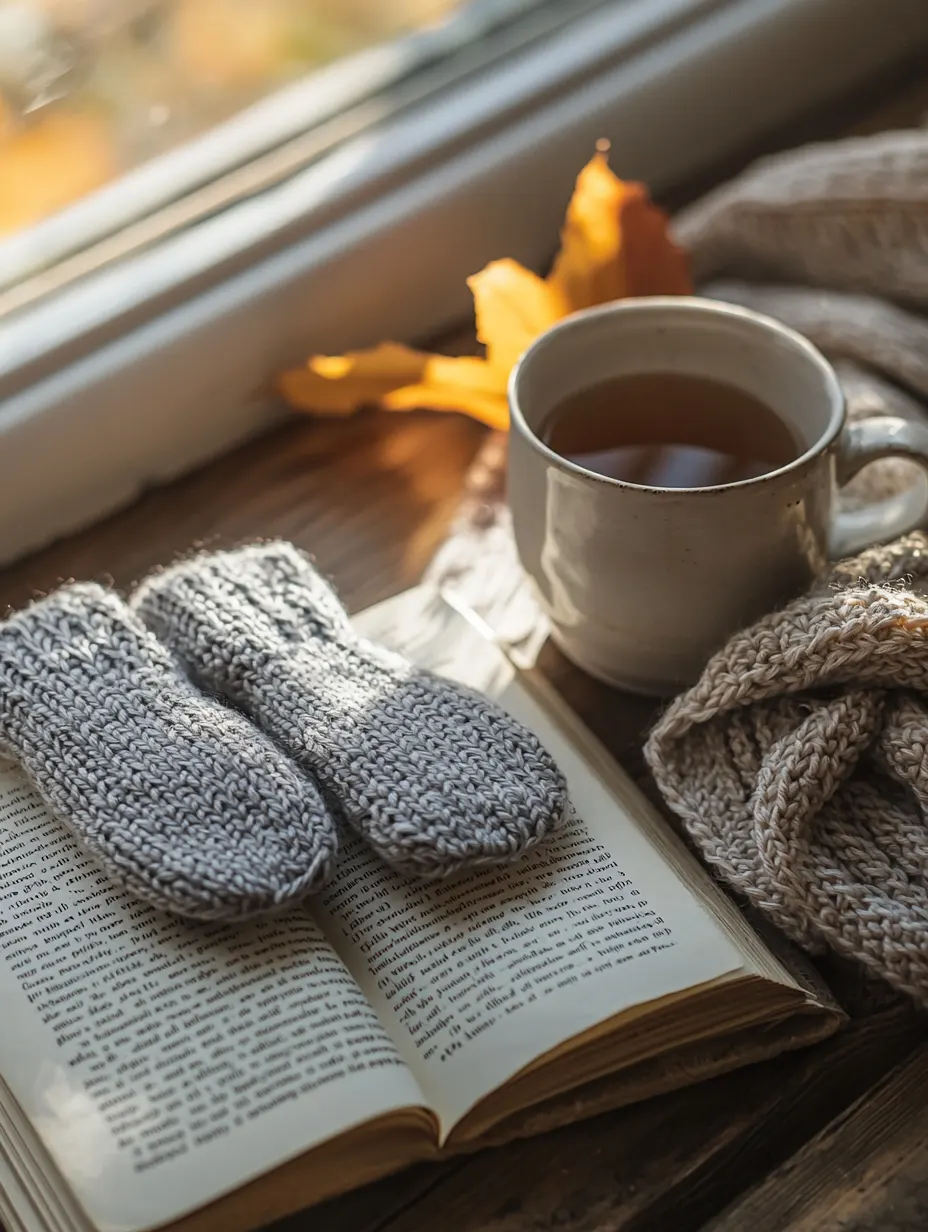
Fingerless gloves are the crafter’s gloves: you keep your hands warm while your fingertips stay free to work, type, or turn pages. Crocheted in a simple ribbed pattern worked flat and seamed up the side, they come together faster than you’d expect: a pair takes four to six hours total, which means Saturday for the first and Sunday morning for the second. A ribbed cuff in a warm heathered yarn gives them that well-worn cottage look, the kind of accessory that seems like it has been with you for years on the very first wearing. Make them slightly longer in the cuff than patterns suggest: the extra warmth at the wrist is worth the extra thirty minutes.
Yarn: DK or worsted weight wool or wool blend
Hook: 4.5mm (G) or 5.0mm (H)
Time: 4–6 hours per pair
Skill level: Beginner to intermediate
Best for: A wearable weekend project with immediate seasonal usefulness
4. Small Drawstring Pouch
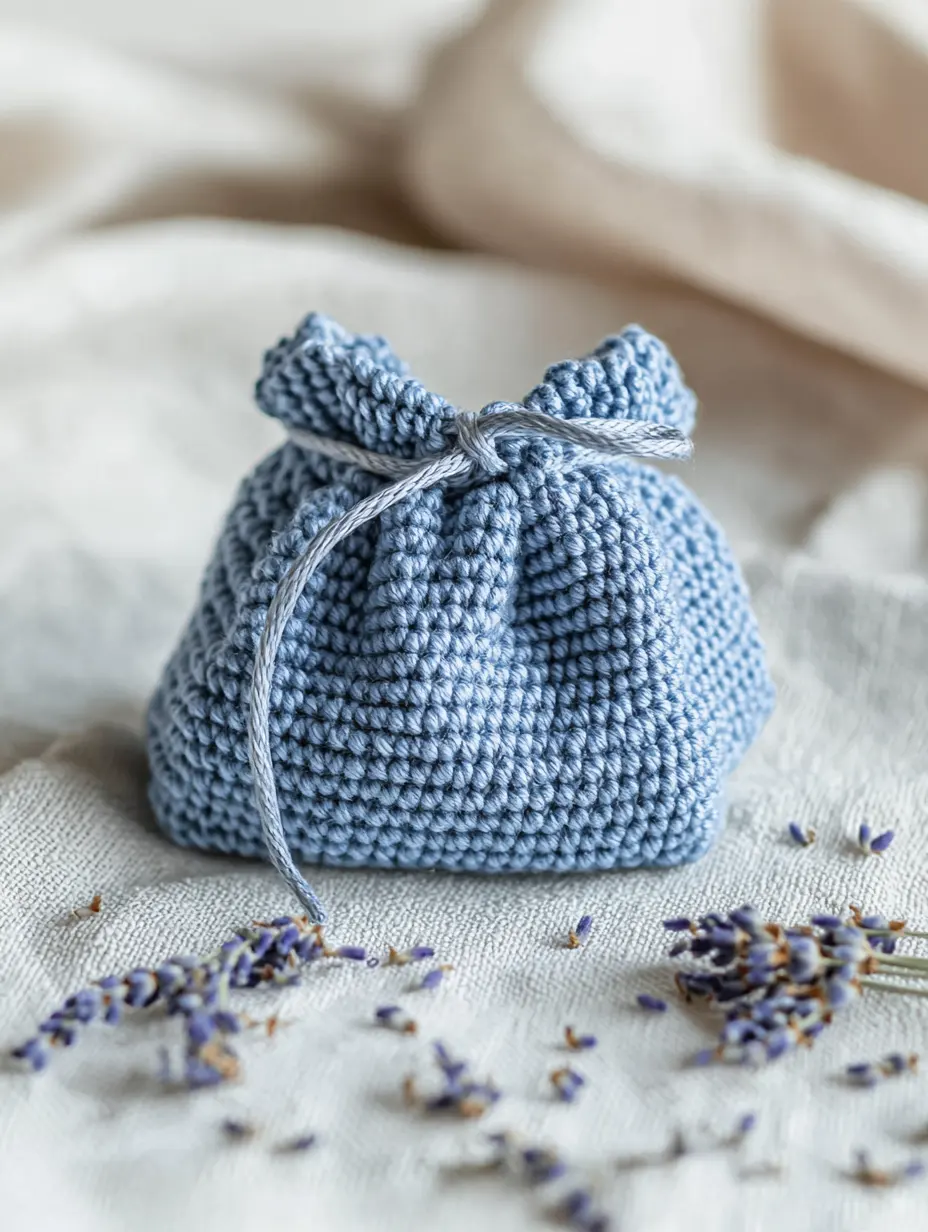
A small crocheted drawstring pouch has a hundred uses: a jewelry bag for travel, a project pouch for stitch markers and hooks, a gift bag that is itself a gift. The construction is worked in the round from the base up, increasing to your desired width, then working straight until the bag is tall enough, finishing with a simple eyelet round for the drawstring cord. Choose a pretty cotton yarn in a single soft color and let the stitch texture do the decorating. The drawstring can be twisted cord made from the same yarn or a thin ribbon threaded through the eyelets: either way, cinching it closed for the first time produces a disproportionate amount of satisfaction.
Yarn: DK weight cotton in any solid color
Hook: 4.0mm (G)
Time: 2–3 hours
Skill level: Beginner
Best for: Learning to work in the round with a practical, giftable result
5. Crochet Bookmark with Tassel
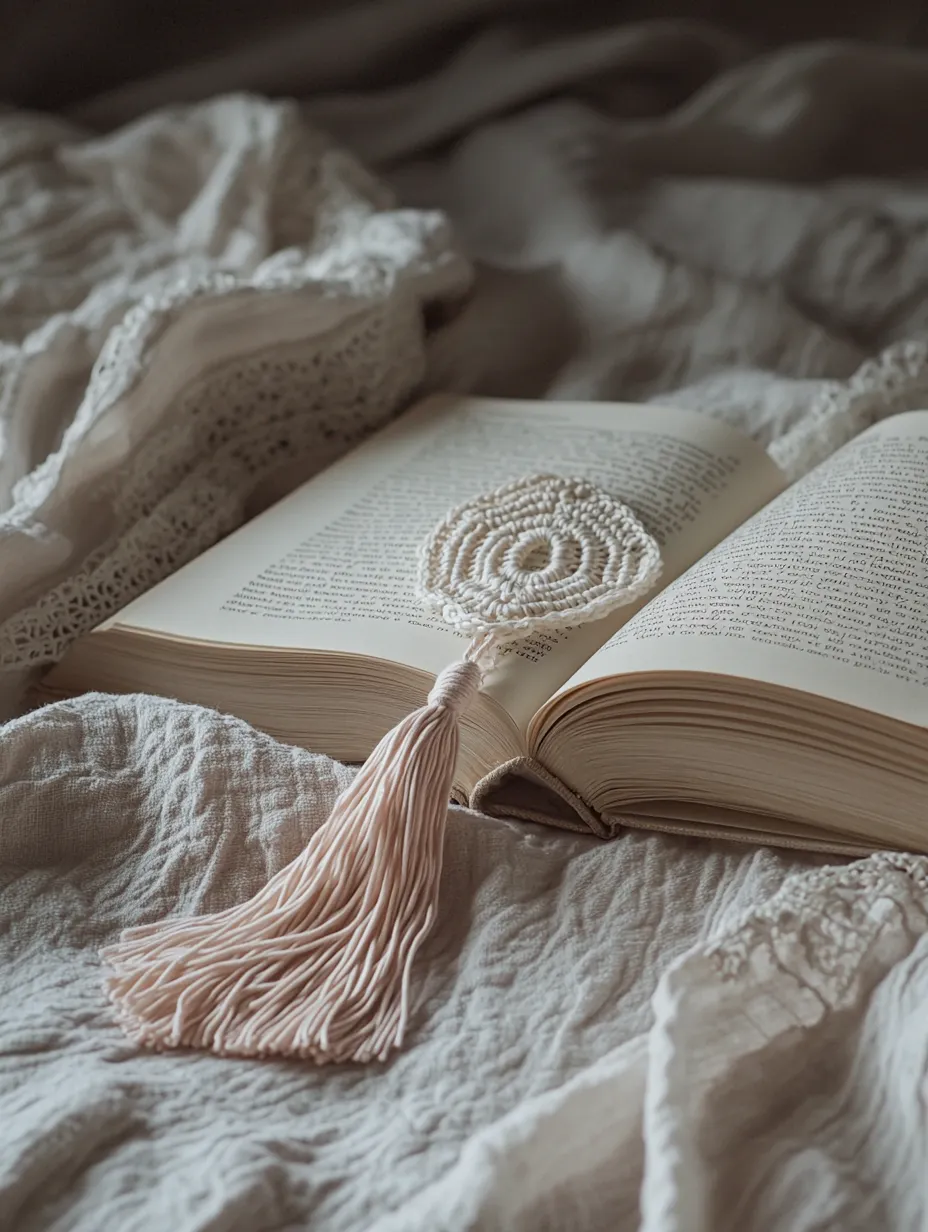
A bookmark is the gentlest possible weekend project: small enough to hold in one hand, quick enough to make several in an afternoon, and just the right size for practicing new stitches without committing to yards and yards of them. A basic chain with single crochet edges takes thirty minutes; add a cluster stitch border or a simple shell pattern and you have something that looks considerably more considered. The tassel at the bottom is made from a few strands of the same yarn looped and tied: five minutes of work that makes the finished bookmark feel like it was worth wrapping in tissue paper. Make a dozen and you have gifts handled through the holidays.
Yarn: DK or fingering weight in any color
Hook: 3.5mm (E) or 4.0mm (G)
Time: 30–60 minutes each
Skill level: Beginner
Best for: A first-ever project or a stash-busting afternoon
6. Newborn Baby Hat
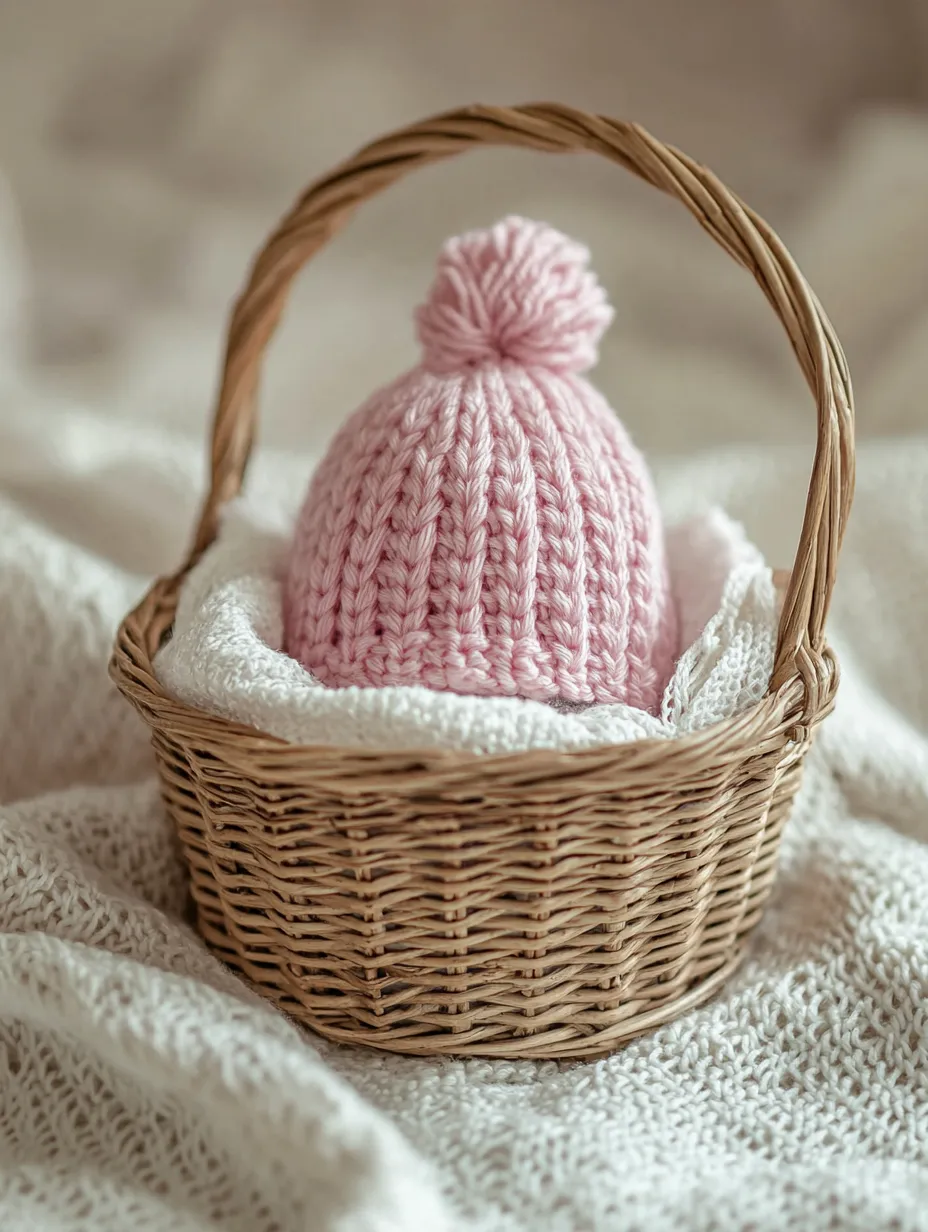
A crocheted newborn hat is one of those projects that carries genuine feeling: soft and small and made with care for someone who will wear it in the earliest days of their life. Worked in the round with a simple single or double crochet, a newborn hat measures roughly 12 to 13 inches in circumference and takes about two hours in a light fingering or DK weight yarn. The small scale means every stitch is visible, which makes this a good project for practicing tension, and the quick finish means you can make two or three in a sitting. Choose a cloud-soft merino or cotton blend in the palest possible colors: petal pink, dove grey, barely-there yellow: and the finished hat will feel like it belongs in a linen chest.
Yarn: DK or fingering weight baby-safe merino or cotton
Hook: 3.5mm (E) or 4.0mm (G)
Time: 2 hours
Skill level: Beginner
Best for: A heartfelt gift that comes together in a single afternoon
7. Herb Garden Pot Covers
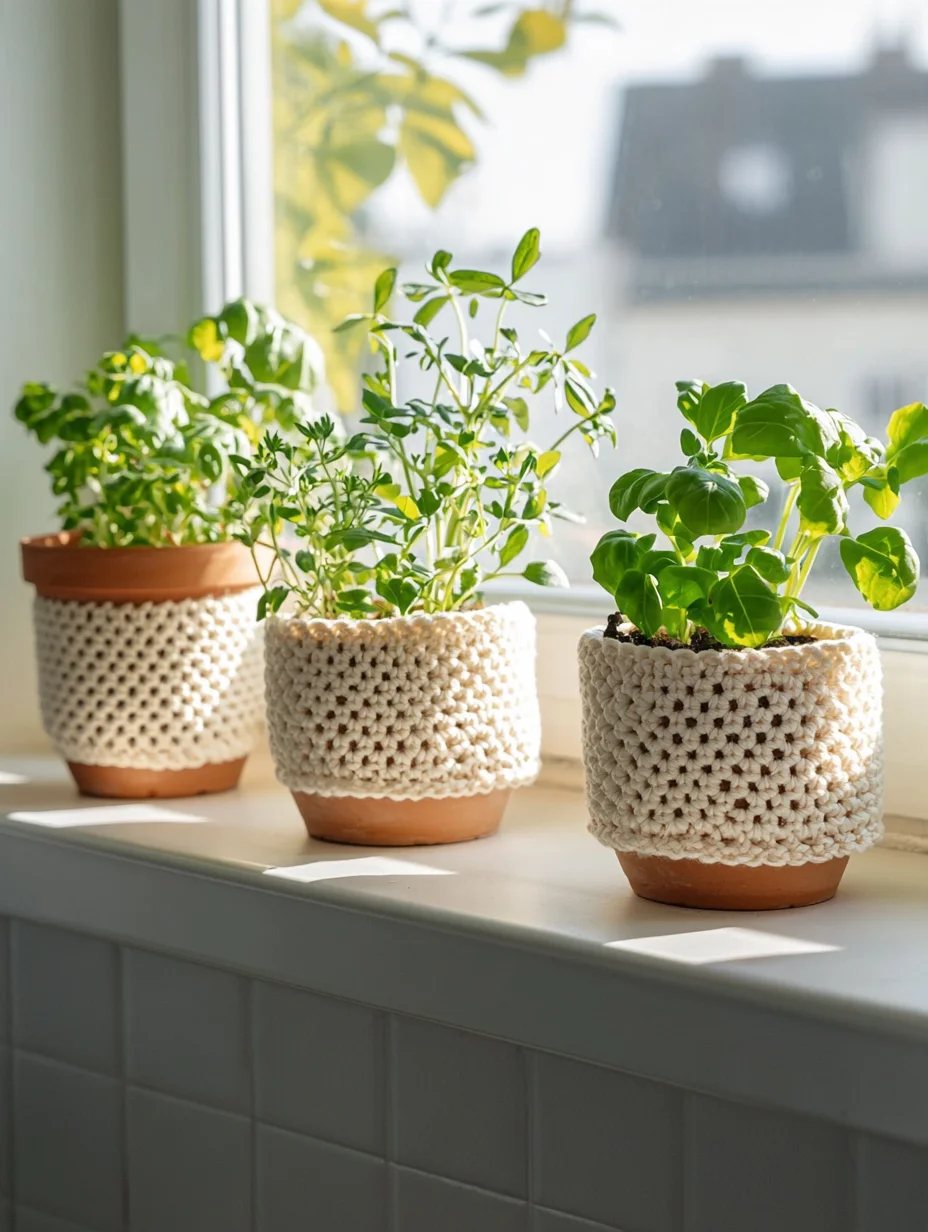
Small crocheted pot covers slip over plain plastic nursery pots and transform a windowsill herb garden into something that looks considered and lovely. Each cover is a simple tube worked in the round: measure the circumference of the pot, crochet to that width, work straight until it reaches the pot’s height, and it’s done. The beauty is in the variation: work one in a loose open mesh, one in dense single crochet, one in a ridged ribbed pattern, all in the same warm natural cotton, and the set looks intentional without being matchy. A small crochet herb garden takes one Sunday morning and makes every subsequent Sunday morning in the kitchen feel more like a home.
Yarn: Worsted weight natural cotton in cream, ecru, or warm white
Hook: 5.0mm (H)
Time: 1–2 hours each
Skill level: Beginner
Best for: Quick home decor that makes a real visual difference for minimal effort
8. Crescent Moon Wall Hanging
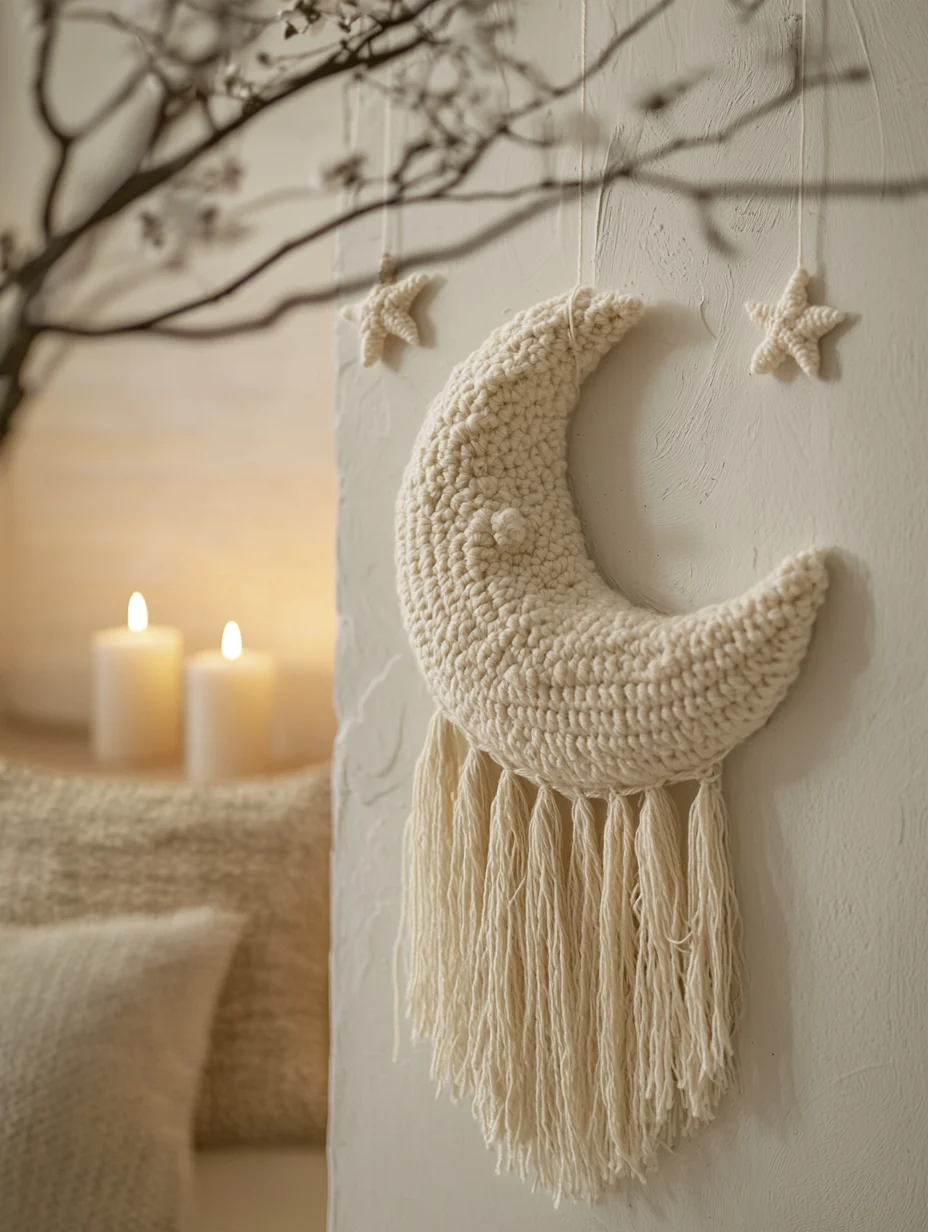
A crocheted crescent moon worked in a single piece and hung from a wooden dowel with trailing yarn fringe is a project that feels meditative to make and quietly magical on a wall. The moon shape is created by working a long oval and shaping one side with decreases to create the curve: it takes a little patience on the first attempt but clicks into place quickly. Work it in a soft cream or oatmeal yarn, add a row of tiny star motifs at the fringe ends, and you have something that looks like it belongs in a room lit by candlelight. It finishes in a long Saturday afternoon and looks best in the corner of a bedroom or a reading nook.
Yarn: Bulky or super bulky in cream, oatmeal, or warm white
Hook: 8.0mm (L) or 9.0mm (M)
Time: 4–6 hours
Skill level: Beginner to intermediate
Best for: A weekend wall project with a slow, satisfying rhythm
9. Ear Warmer Headband
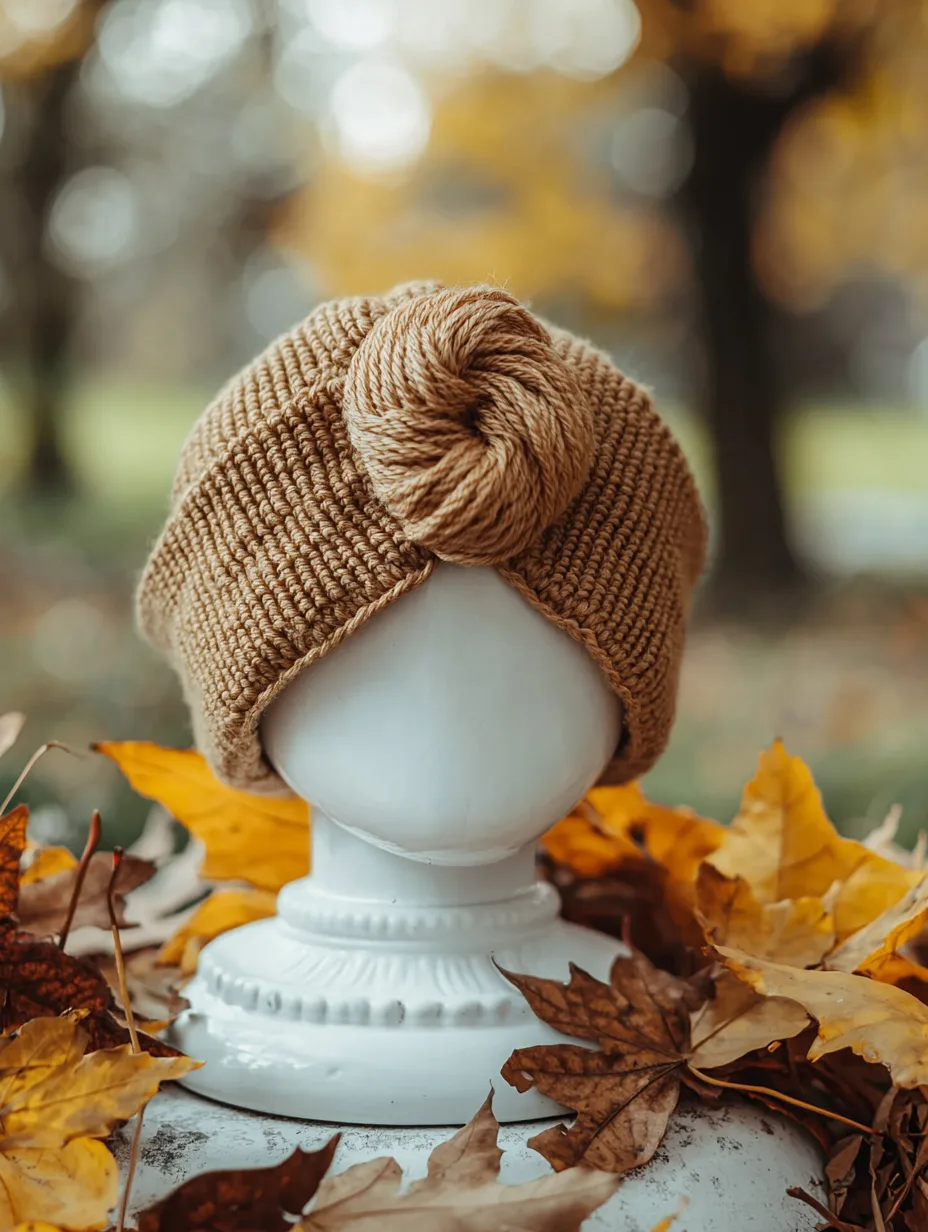
An ear warmer headband is the sensible sibling of the full hat: it keeps the parts that get cold most protected while fitting into a bag or pocket in almost no space. Worked flat in a wide ribbed rectangle, seamed at the back, it takes two hours at most in a bulky weight yarn and immediately earns its place in a coat pocket through the colder months. The ribbed stitch stretches to fit most head sizes without adjusting the pattern, making it a reliable gift as well as a quick personal project. A simple twisted detail at the center front: just crossing two sections before seaming: elevates it from plain band to something that looks like it has a little style to it.
Yarn: Bulky weight wool or wool blend
Hook: 8.0mm (L)
Time: 1.5–2 hours
Skill level: Beginner
Best for: A fast, practical accessory that makes an excellent last-minute gift
10. Small Granny Square Pillow Cover
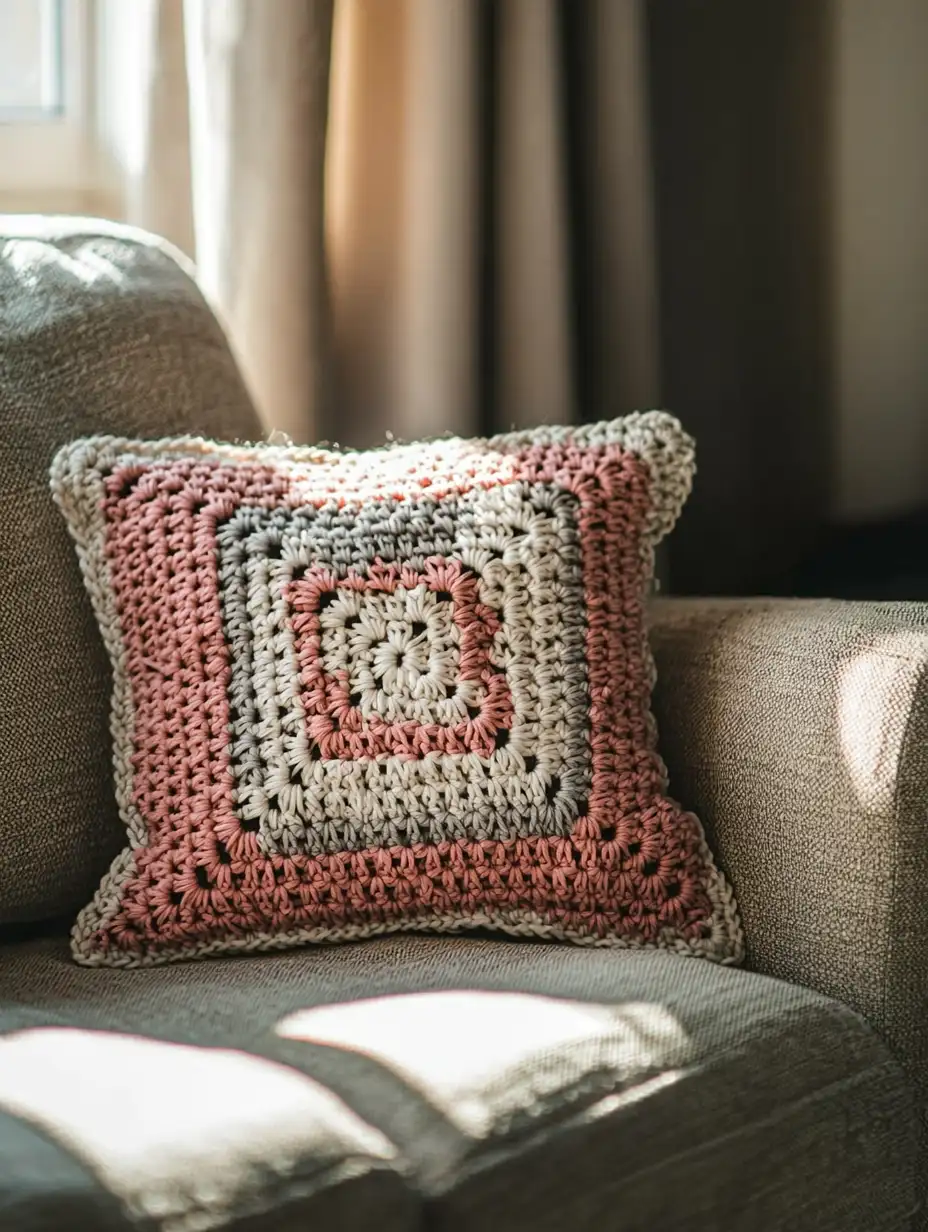
Four large granny squares joined into a two-by-two grid and seamed around a pillow insert is perhaps the most classic thing you can do with a weekend and some yarn. Each square carries the same center color: a soft dusty rose, say: with varying outer rounds in cream and warm grey. The joining is done with a flat slip stitch seam that creates a neat raised line, and the back can be a simple single crochet rectangle in a solid. The whole project teaches granny square construction, color changes, joining, and basic seaming, all wrapped up in something that immediately makes a sofa or bed look more like home. Size it to a 12-inch insert for a manageable weekend finish.
Yarn: Worsted weight in 3–4 coordinating colors plus a 12-inch pillow insert
Hook: 5.0mm (H)
Time: 6–8 hours
Skill level: Beginner
Best for: A satisfying weekend project that teaches multiple foundational skills at once
11. Crochet Key Fob
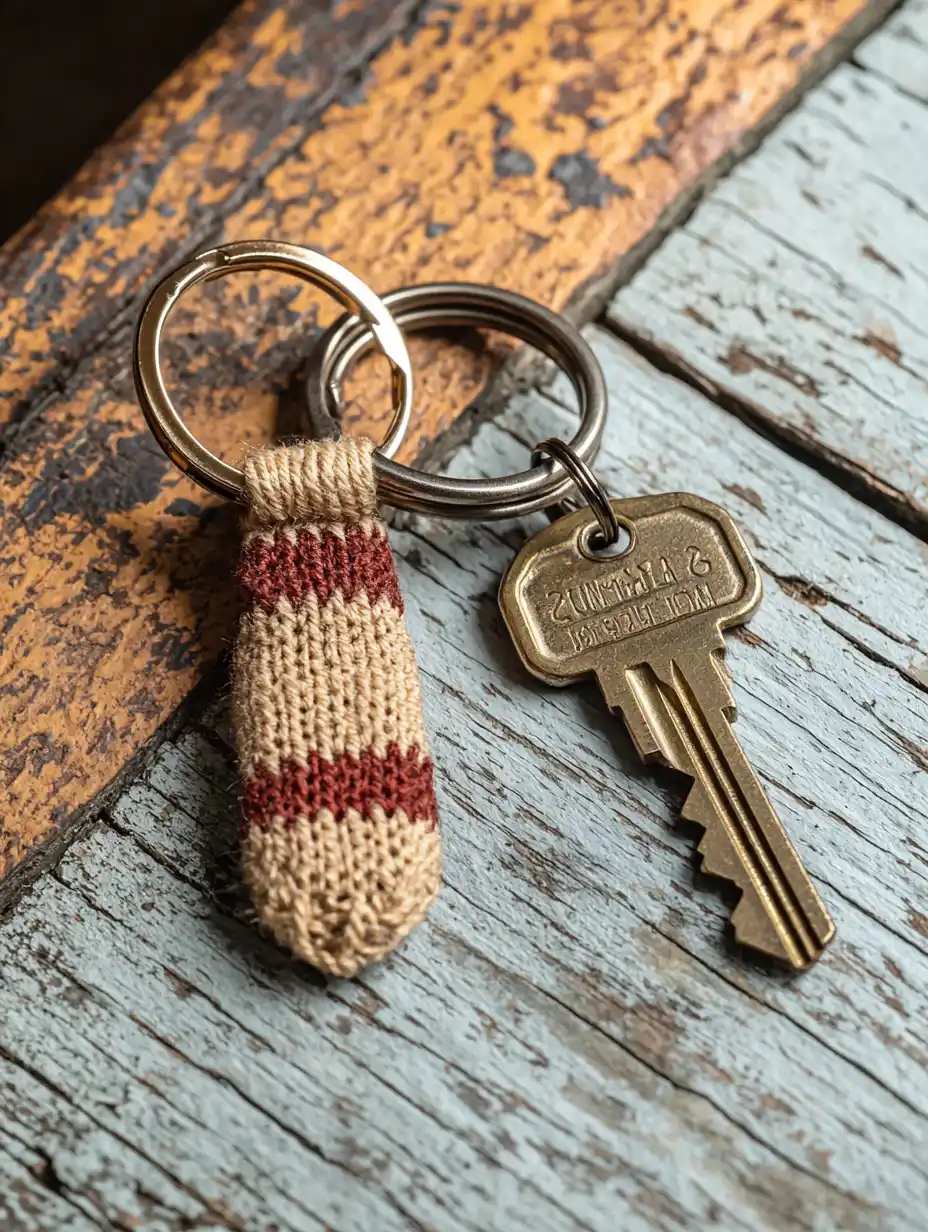
A crocheted key fob is the kind of project you make in an hour, attach to your keys, and then spend several months quietly pleased about every time you reach into your bag. The construction is simply a short strip of single crochet worked tightly around a metal or plastic key ring: dense enough to hold its shape, soft enough to be pleasant to hold. Add a few rows of color change for a striped effect, or work in a simple textured stitch like the waistcoat stitch for something with a woven, artisanal look. Make one for every member of the household and suddenly a practical object becomes a small act of love distributed around the house.
Yarn: DK weight cotton or linen in 1–2 colors
Hook: 3.5mm (E)
Time: 45 minutes to 1 hour
Skill level: Beginner
Best for: A true quick-win project that makes a charming handmade gift
12. Lavender Sachet
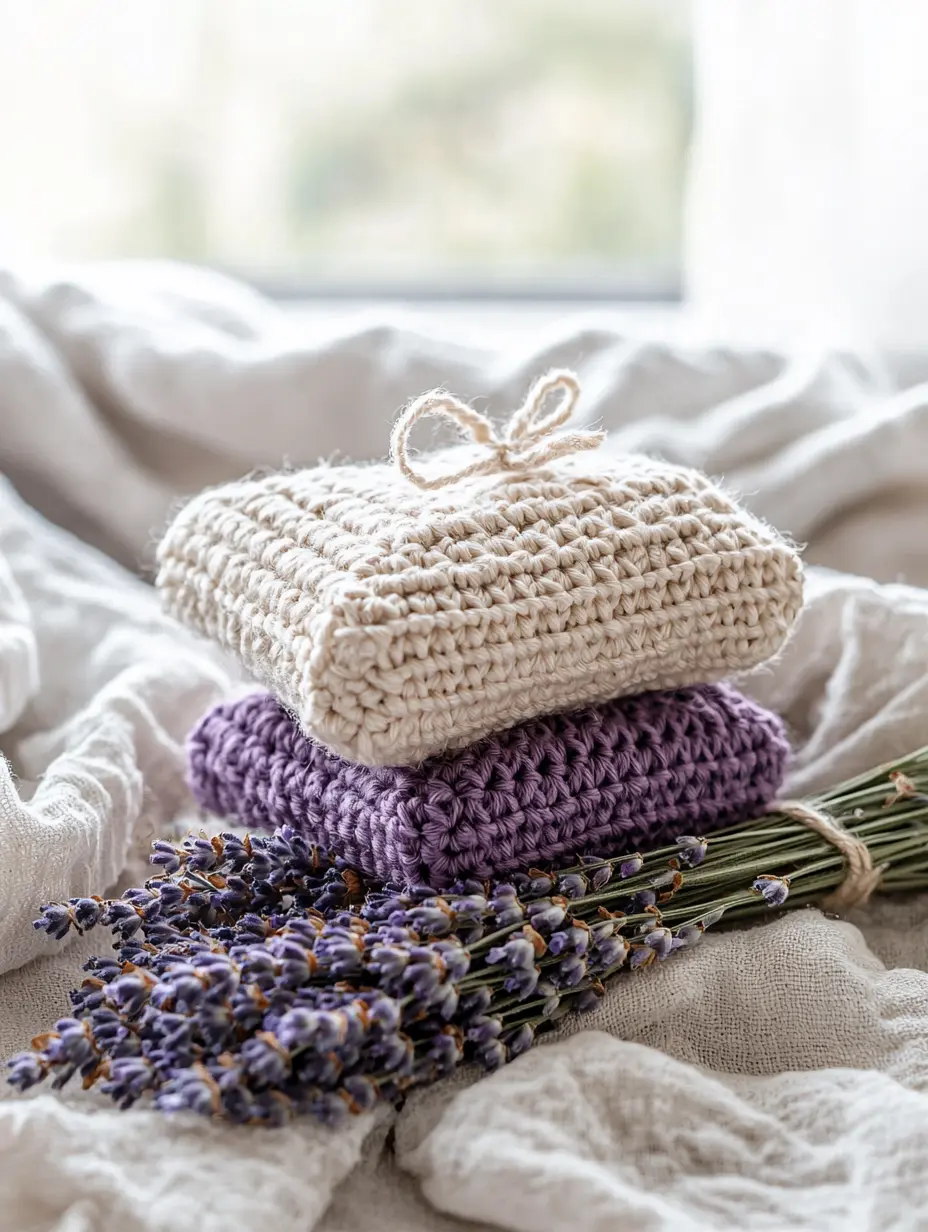
A crocheted lavender sachet is one of those projects that makes a house smell the way a house should. Work two small squares in a loosely tensioned stitch: open enough to let the lavender scent pass through: fill with dried lavender buds, and seam three sides closed with a slip stitch border. Tuck one into a linen drawer and it will scent your clothes softly for months; hang one near a window and the afternoon light will warm it until the whole room carries the smell of a summer garden. The project itself takes less than two hours, and made in small batches: five or six in a sitting: they become the kind of gift that people mention months later as something they still use every day.
Yarn: Fingering weight cotton or linen in soft lavender, cream, or sage
Hook: 2.5mm (C) or 3.0mm (D)
Time: 1–2 hours each
Skill level: Beginner
Best for: A batch gift project that fills a whole weekend afternoon pleasantly
13. Striped Pencil Case
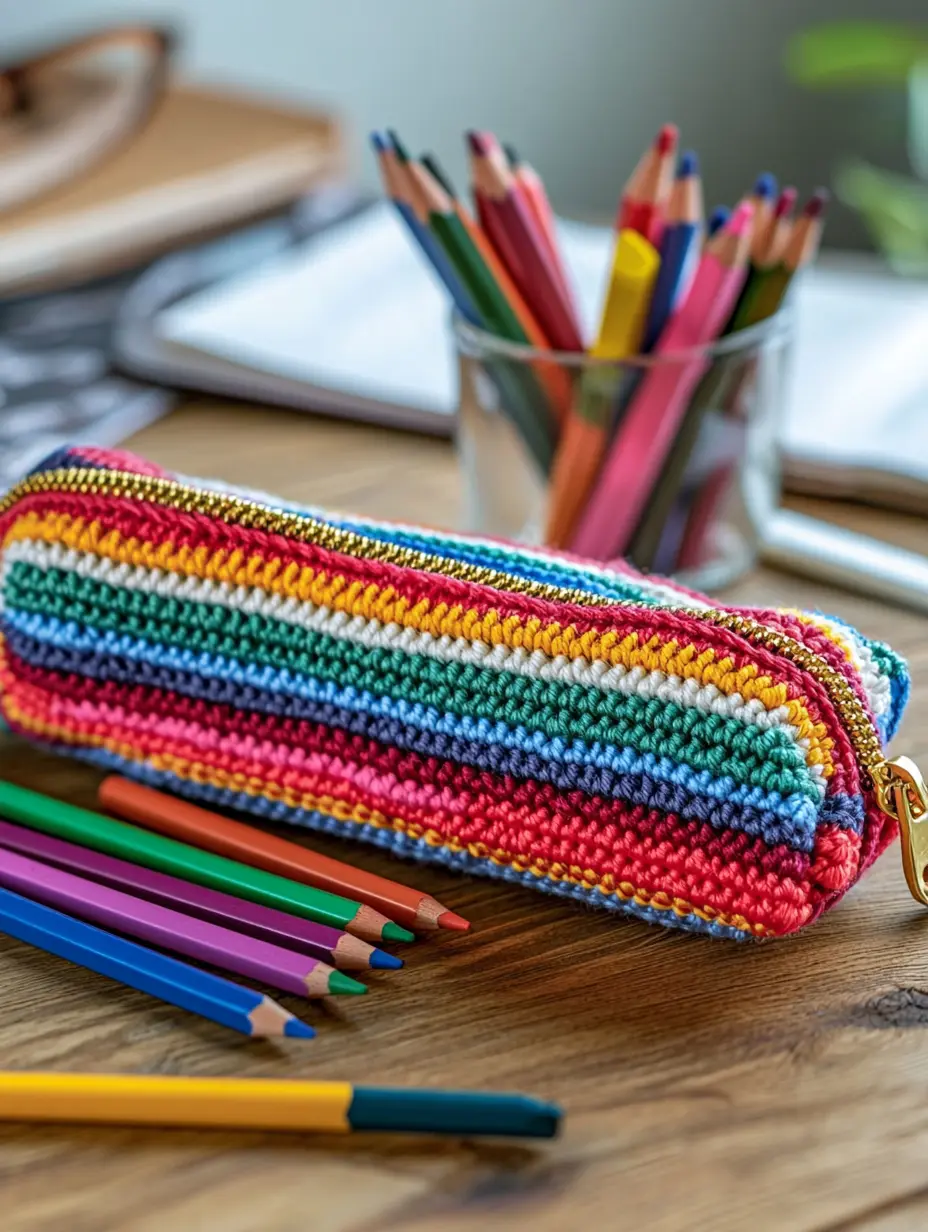
A crocheted pencil case with a zipper sewn in by hand is more achievable than it sounds and more satisfying than almost any other small project on this list, because it has that particular solidity of a thing that holds other things. Work a flat rectangle in cheerful stripes: alternating every two rows in as many colors as you like: fold it in half, seam the sides, and hand-sew a standard zipper to the top opening with a tapestry needle and thread. The zipper is the only part that requires a needle and thread rather than a hook, and it takes about twenty minutes once the crocheted part is done. Use it for pencils, pens, crochet hooks, or the small accumulation of necessary things that need somewhere to live.
Yarn: DK weight cotton in 4–6 stripe colors plus a standard 7-inch zipper
Hook: 4.0mm (G)
Time: 3–4 hours
Skill level: Beginner to intermediate
Best for: A functional weekend project with a satisfying zipper finish
Your Weekend Crochet Guide
Planning a Realistic Weekend Project
The key to finishing a crochet project in a weekend is honest time accounting before you begin. A Saturday and Sunday realistically gives you perhaps eight to twelve focused hours: less if life intervenes, which it usually does. Look at the time estimates for any project and add thirty percent to account for yarn tangles, counting mistakes, and the cups of tea that become longer than intended. Choose projects with a single main skill at their core rather than several new techniques stacked together, and have your materials fully ready before Saturday morning so you don’t spend half the day at a yarn shop. The projects on this list are sized specifically to fit that rhythm without requiring you to rush.
How to Set Up a Weekend Crochet Space
A small amount of deliberate setup before you begin makes hours of crocheting feel entirely different from a hasty grab-and-go session. Find your best light: a chair near a window is worth more than any lamp: and keep your tools within arm’s reach rather than scattered across the room. A small basket beside the chair for your yarn, scissors, stitch markers, and a tapestry needle means you never break the rhythm to go looking for something. If you’re working from a pattern, print it or have it open on a device propped where you can see it without holding it. These small preparations cost ten minutes and return hours of uninterrupted, unhurried making.
Finishing Techniques That Make Small Projects Look Polished
The difference between a small project that looks handmade and one that looks hand-crafted is almost always in the finishing. Weave ends in deeply: at least two inches in two different directions: rather than knotting and trimming close to the surface. Block cotton and linen projects by wetting them, pinning them flat to their correct dimensions, and letting them dry fully before use; the difference in the fabric is remarkable. On anything seamed, take the time to use a mattress stitch rather than a slip stitch if you want an invisible join. And press any woven-in ends flat under a damp cloth with a cool iron before gifting: five minutes of pressing makes a project look like it came from a shop rather than a Saturday afternoon.
Frequently Asked Questions
How many hours does a typical weekend crochet project take?
Most of the projects on this list fall between one and eight hours of actual crocheting time. The very fast ones: a key fob, a bookmark, a mug cozy: can be done in a single sitting of an hour or two. The more involved projects, like the pillow cover or fingerless gloves, use most of both days when you factor in breaks and finishing. A good rule of thumb: if a project’s estimated time is under six hours, it’s genuinely achievable in a weekend for most crafters working at a comfortable pace.
What yarn is best for small weekend projects?
Worsted weight yarn in 100% cotton or a wool-acrylic blend works well for most of the projects here. Cotton is washable, holds stitch definition beautifully, and works for both home goods and accessories. Wool blends are warmer and more elastic, which makes them better for wearables like gloves and ear warmers. Avoid anything too splitty: yarn that separates when your hook catches it: for weekend projects, since fighting the yarn adds time and frustration. Have one skein more than the pattern calls for so you never run short mid-project and have to stop to source more.
Can I finish these projects if I’m a slow crocheter?
Most of them, yes: and speed matters far less than most beginners assume. Slow, consistent tension produces better fabric than fast, uneven stitching. If you crochet slowly, prioritize the shorter projects on this list: the mug cozy, the key fob, the sachet, the bookmark: and save the pillow cover or gloves for a longer stretch. A realistic option is to start the longer project on Saturday and finish it on Sunday without pressure. The weekend is the frame, but the making itself sets the pace.
What should I do if I run out of yarn mid-project?
Join a new ball at the end of a row whenever possible rather than mid-row: it keeps the join hidden in the seam or at a consistent edge. If you must join in the middle, use the Russian join or a simple weave-in join rather than a knot, which can work loose over time. To avoid running out in the first place, buy one extra skein before you start and return it unused if the project is a colorway or dye lot that might not be available later. Dye lots vary between skeins of the same color, and a mid-project switch can show a subtle stripe that wasn’t in the pattern.PixForge